
Agromimicry | Aquamimicry | Livestock | Wastewater | Ornamental Pond | Odor Management



- Home
- About-Us
-
ผลิตภัณท์
-
จุลินทรีย์ปุ๋ยหมัก
- หัวเชื้อจุลินทรีย์ปุ๋ยหมัก
- หัวเชื้อจุลินทรีย์ฟื้นดิน
- หัวเขื้ออาหารจุลินทรีย์ดิน
- หัวเชื้อจุลินทรีย์ทางใบ
- เร่งดอกเพิ่มผลผลิต
- ปุ๋ยหมักคืออะไร
- วิธีทำปุ๋ยหมัก
- ค่าสัดส่วน C/N Ratio
- ปัจจัยสิ่งแวดล้อมในการทำปุ๋ยหมัก
- การประเมิน
- ปัญหาการทำปุ๋ยหมักและแนวทางแก้ไข
- อะไรคืออโกรมิมิครี่
- ทำไมถึงสูญเสียสภาพ
- ทำไมพืชจึงต้องพึงพาชีววิทยาของดิน
- บทบาทของปุ๋ยหมัก-ดิน-พืชและผลผลิต
- อโกรมิมิครี่ช่วยฟื้นฟูวงจรธรรมชาติได้อย่างไร
- จุดเชื่อมโยงที่ขาดหายไปของซากชีวมวลจุลินทรีย์
- จุลฝาสี-จุลินทรีย์เลี้ยงกุ้งปลาอินทรีย์
- จุลินทรีย์สัตว์น้ำ
-
แบ็กซ์เชล
-
จุลินทรีย์
- จุลินทรีย์เลี้ยงกุ้ง1
- จุลินทรีย์เลี้ยงกุ้ง2
- จุลินทรีย์เลี้ยงกุ้ง3
- จุลินทรีย์เลี้ยงกปลา4
- จุลินทรีย์เลี้ยงปลา5
- จุลินทรีย์บำบัดน้ำเสีย1
- จุลินทรีย์บำบัดน้ำเสีย2
- จุลินทรีย์บำบัดน้ำเสีย3
- จุลินทรีย์บำบัดน้ำเสีย4
- จุลินทรีย์บำบัดน้ำเสีย5
- จุลินทรีย์บำบัดน้ำเสีย6
- จุลินทรีย์บำบัดน้ำเสีย7
- จุลินทรีย์บำบัดน้ำเสีย8
- จุลินทรีย์บำบัดน้ำเสีย9
- จุลินทรีย์บำบัดน้ำเสีย10
- จุลินทรีย์ปุ๋ยหมัก1
- จุลินทรีย์ปุ๋ยหมัก2
- จุลินทรีย์ปุ๋ยหมัก3
- จุลินทรีย์ปุ๋ยหมัก4
- จุลินทรีย์ปุ๋ยหมัก5
- จุลินทรีย์ปุ๋ยหมัก6
- จุลินทรีย์บ่อปลาสวยงาม1
- จุลินทรีย์บ่อปลาสวยงาม2
- จุลินทรีย์บ่อปลาสวยงาม3
- จุลินทรีย์บ่อปลาสวยงาม4
- จุลินทรีย์ดับกลิ่น1
- จุลินทรีย์ดับกลิ่น2
- จุลินทรีย์ดับกลิ่น3
-
จุลินทรีย์
- บำบัดน้ำเสีย
- จุลินทรีย์ฟาร์มปศุสัตว์
- เอนไซม์ไบโอก๊าซ
- บ่อปลาสวยงาม
- เอนไซม์ดับกลิ่น
-
จุลินทรีย์ปุ๋ยหมัก
- สินค้าขายดี-แก้ปัญหา
- ข้อมูลทางชีวเทคนิค
- วิจัยเพาะเลี้ยงสัตว์น้ำ
- เรียนรู้
- ศูนย์เรียนรู้
- รับจ้างผลิตจุลินทรีย์
- ราคาผลิตภัณฑ์
- สั่งซื้อจุลินทรีย์คุณภาพสูง
-
Microbial Solutions
- Agromimicry-Agriculture
-
Aquamimicry-Aquaculture
- Aquamimicry-Caps
- Grow-Out
- Broodstock
- Hatchery
- Nursery
- Copefloc
- Problem-Protocols
- Fermentation-Protocol
-
Aquamimicry-Shrimp
- What-is-Aquamimicry
- Global-Shrimp-Farming-Problems
- Aquaculture-Aged-Ponds
- Chain-Dragging
- pH
- Alkalinity
- Synbiotics-for-Aquaculture
- SCP-Single-Cell-Protein
- Autotrophs
- Heterotrophs
- Balances-Heterotrophs-and-Autotrophs
- Pond-Water-Dynamics
- Aquamimicry-RAS
- Aquamimicry-Research-Paper
- EMS
- Memories
- Conference
- Exhibitions
- Aquamimicry-Aquatainments
- Demonstration-Farm
- Aquamimicry-Aquaculture-Alliance
- Protocol
- Trouble-Shooting
- Aquamimicry-Enzymes
-
Probiotics-for-Aquaculture
- Baxel-Tab-Probiotics-Competitive-Exclusion
- Baxel-Tab-Enzymes-Sludge-Digester
- A1-Probiotics-for-Aquaculture
- A2-Probiotics-for-Aquaculture
- Aquasis-Powder-Probiotics-Aquaculture
- Aquasis-Liquid-Probiotics-Aquaculture
- Probiotic-Tablet
- Enzymes-Tablet
- Aquaculture-1
- Aquaculture-2
- Aquaculture-3
- Aquaculture-4
- Aquaculture-5
- Aquaculture-6
- Aquaculture-7
- Aqua Backup
-
Wastewater-Treatment-Microbes
- Septic-Tank-Back-Up-Odor-Problem-Bacteria-Product
- Slow-Running-Kitchen-Drain-Lines-Bacteria-Product
- High-BOD-COD-SS-FOG-Problem-Bacteria-Product
- Bulking-Sludge-Problem-Bacteria-Product
- Hydrocarbon-Oil-Spill-Degrader-Bacteria-Product
- Wastewater-Evaluation-Form
- Wastewater-Treatment-FAQ
- Wastewater-Treatment
- Livestock-Waste-Microbes
- Biogas-Enzymes-Booster
- Koi-Pond-Microbes
- Odor-Removal-Enzymes
- Best Sellers
- Biotechnical
- BioMarket
- Research-Papers
- Aquamimicry-Center
- Private-Label
- Price
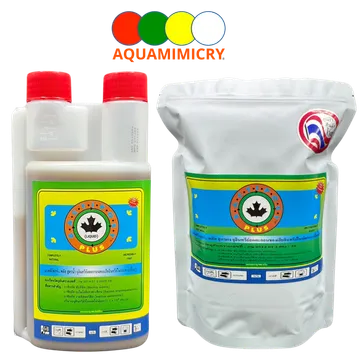
Bactipost Plus
Application Area:
- Intensive culture: 1,000 cubic meters (10 ppm)
- Extensive culture: 1,000 cubic meters (1 ppm)
Application for Intensive Culture
Application Area:
- Intensive culture: 1,000 cubic meters (10 ppm)
Ingredients and Ratios:
- Rice Bran: 10 kg (10 ppm)
- BactipostTM Plus: 100 ml (10 gram/ml per 1 kg of rice bran)
- NaHCO3: 1 kg (10% based on the total weight of rice bran)
- Water: 40 liters
Fermentation Process:
- Tank Size: Ensure the tank is at least 2.5 times larger than the solution to be fermented.
- Fermentation:
- Ferment the mixture for at least 24 hours, stirring well occasionally.
- Filtration:
- Filter the mixture well and allow only the liquid to be broadcast throughout the pond while aeration is on.
- Reprocessing Residue:
- Reprocess the filtered rice bran residue in the fermentation tank until dissolved or pulverize it into liquid.
- Repeat Application:
- If pH fluctuations persist, repeat the same application rate the next day or continue until the pH is well balanced.
Application for Extensive Culture
Application Area:
- Extensive culture: 1,000 cubic meters (1 ppm)
Ingredients and Ratios:
- Rice Bran: 1 kg (1 ppm)
- BactipostTM Plus: 10 gram/ml (10 gram/ml per 1 kg of rice bran)
- NaHCO3: 100 grams (10% based on the total weight of rice bran)
- Water: 4 liters
Fermentation Process:
Tank Size: Ensure the tank is at least 2.5 times larger than the solution to be fermented.
Fermentation:
- Ferment the mixture for at least 24 hours, stirring well occasionally.
Filtration:
- Filter the mixture well and allow only the liquid to be broadcast throughout the pond while aeration is on.
Reprocessing Residue:
- Reprocess the filtered rice bran residue in the fermentation tank until dissolved or pulverize it into liquid.
Repeat Application:
If pH fluctuations persist, repeat the same application rate the next day or continue until the pH is well balanced
Using AQUAMIMICRY® protocol for pH balance in shrimp farming ponds ensures a stable and healthy environment, reducing the risk of diseases and promoting the development of beneficial biocolloids and zooplankton. By following the detailed application protocols for both intensive and extensive cultures, shrimp farmers can effectively manage pH levels and enhance the overall health and productivity of their ponds.
Protocol : pH Balances
Protocol : pH Balances
AQUAMIMICRY® is an effective solution for reducing pH fluctuations in pond environments, helping prevent white feces syndrome and white spot syndrome. It establishes biocolloids in situ for pH balance and creates a synbiotic environment, enhancing the development of zooplankton.
BactipostTM Plus
- Reduces pH Fluctuations, stabilizes pH levels during day and night.
- Helps prevent white feces syndrome and white spot syndrome.
- Forms biocolloids in situ for effective pH balance.
- Creates a synbiotics (prebiotic and probiotic) environment in ponds.
- Enhances the growth and development of zooplankton, providing a natural food source for shrimp.