
Agromimicry | Aquamimicry | Livestock | Wastewater | Ornamental Pond | Odor Management



- Home
- About-Us
-
ผลิตภัณท์
-
จุลินทรีย์ปุ๋ยหมัก
- หัวเชื้อจุลินทรีย์ปุ๋ยหมัก
- หัวเชื้อจุลินทรีย์ฟื้นดิน
- หัวเขื้ออาหารจุลินทรีย์ดิน
- หัวเชื้อจุลินทรีย์ทางใบ
- เร่งดอกเพิ่มผลผลิต
- ปุ๋ยหมักคืออะไร
- วิธีทำปุ๋ยหมัก
- ค่าสัดส่วน C/N Ratio
- ปัจจัยสิ่งแวดล้อมในการทำปุ๋ยหมัก
- การประเมิน
- ปัญหาการทำปุ๋ยหมักและแนวทางแก้ไข
- อะไรคืออโกรมิมิครี่
- ทำไมถึงสูญเสียสภาพ
- ทำไมพืชจึงต้องพึงพาชีววิทยาของดิน
- บทบาทของปุ๋ยหมัก-ดิน-พืชและผลผลิต
- อโกรมิมิครี่ช่วยฟื้นฟูวงจรธรรมชาติได้อย่างไร
- จุดเชื่อมโยงที่ขาดหายไปของซากชีวมวลจุลินทรีย์
- จุลฝาสี-จุลินทรีย์เลี้ยงกุ้งปลาอินทรีย์
- จุลินทรีย์สัตว์น้ำ
-
แบ็กซ์เชล
-
จุลินทรีย์
- จุลินทรีย์เลี้ยงกุ้ง1
- จุลินทรีย์เลี้ยงกุ้ง2
- จุลินทรีย์เลี้ยงกุ้ง3
- จุลินทรีย์เลี้ยงกปลา4
- จุลินทรีย์เลี้ยงปลา5
- จุลินทรีย์บำบัดน้ำเสีย1
- จุลินทรีย์บำบัดน้ำเสีย2
- จุลินทรีย์บำบัดน้ำเสีย3
- จุลินทรีย์บำบัดน้ำเสีย4
- จุลินทรีย์บำบัดน้ำเสีย5
- จุลินทรีย์บำบัดน้ำเสีย6
- จุลินทรีย์บำบัดน้ำเสีย7
- จุลินทรีย์บำบัดน้ำเสีย8
- จุลินทรีย์บำบัดน้ำเสีย9
- จุลินทรีย์บำบัดน้ำเสีย10
- จุลินทรีย์ปุ๋ยหมัก1
- จุลินทรีย์ปุ๋ยหมัก2
- จุลินทรีย์ปุ๋ยหมัก3
- จุลินทรีย์ปุ๋ยหมัก4
- จุลินทรีย์ปุ๋ยหมัก5
- จุลินทรีย์ปุ๋ยหมัก6
- จุลินทรีย์บ่อปลาสวยงาม1
- จุลินทรีย์บ่อปลาสวยงาม2
- จุลินทรีย์บ่อปลาสวยงาม3
- จุลินทรีย์บ่อปลาสวยงาม4
- จุลินทรีย์ดับกลิ่น1
- จุลินทรีย์ดับกลิ่น2
- จุลินทรีย์ดับกลิ่น3
-
จุลินทรีย์
- บำบัดน้ำเสีย
- จุลินทรีย์ฟาร์มปศุสัตว์
- เอนไซม์ไบโอก๊าซ
- บ่อปลาสวยงาม
- เอนไซม์ดับกลิ่น
-
จุลินทรีย์ปุ๋ยหมัก
- สินค้าขายดี-แก้ปัญหา
- ข้อมูลทางชีวเทคนิค
- วิจัยเพาะเลี้ยงสัตว์น้ำ
- เรียนรู้
- ศูนย์เรียนรู้
- รับจ้างผลิตจุลินทรีย์
- ราคาผลิตภัณฑ์
- สั่งซื้อจุลินทรีย์คุณภาพสูง
-
Microbial Solutions
- Agromimicry-Agriculture
-
Aquamimicry-Aquaculture
- Aquamimicry-Caps
- Grow-Out
- Broodstock
- Hatchery
- Nursery
- Copefloc
- Problem-Protocols
- Fermentation-Protocol
-
Aquamimicry-Shrimp
- What-is-Aquamimicry
- Global-Shrimp-Farming-Problems
- Aquaculture-Aged-Ponds
- Chain-Dragging
- pH
- Alkalinity
- Synbiotics-for-Aquaculture
- SCP-Single-Cell-Protein
- Autotrophs
- Heterotrophs
- Balances-Heterotrophs-and-Autotrophs
- Pond-Water-Dynamics
- Aquamimicry-RAS
- Aquamimicry-Research-Paper
- EMS
- Memories
- Conference
- Exhibitions
- Aquamimicry-Aquatainments
- Demonstration-Farm
- Aquamimicry-Aquaculture-Alliance
- Protocol
- Trouble-Shooting
- Aquamimicry-Enzymes
-
Probiotics-for-Aquaculture
- Baxel-Tab-Probiotics-Competitive-Exclusion
- Baxel-Tab-Enzymes-Sludge-Digester
- A1-Probiotics-for-Aquaculture
- A2-Probiotics-for-Aquaculture
- Aquasis-Powder-Probiotics-Aquaculture
- Aquasis-Liquid-Probiotics-Aquaculture
- Probiotic-Tablet
- Enzymes-Tablet
- Aquaculture-1
- Aquaculture-2
- Aquaculture-3
- Aquaculture-4
- Aquaculture-5
- Aquaculture-6
- Aquaculture-7
- Aqua Backup
-
Wastewater-Treatment-Microbes
- Septic-Tank-Back-Up-Odor-Problem-Bacteria-Product
- Slow-Running-Kitchen-Drain-Lines-Bacteria-Product
- High-BOD-COD-SS-FOG-Problem-Bacteria-Product
- Bulking-Sludge-Problem-Bacteria-Product
- Hydrocarbon-Oil-Spill-Degrader-Bacteria-Product
- Wastewater-Evaluation-Form
- Wastewater-Treatment-FAQ
- Wastewater-Treatment
- Livestock-Waste-Microbes
- Biogas-Enzymes-Booster
- Koi-Pond-Microbes
- Odor-Removal-Enzymes
- Best Sellers
- Biotechnical
- BioMarket
- Research-Papers
- Aquamimicry-Center
- Private-Label
- Price
AQUAMIMICRY
Reduces Running Mortality Aquaculture
Application Protocol for pH Stabilization Using Fermented Wheat Flour (FWF)
Area Coverage:
Application Area:
- 1,000 square meters with maximum depth of 1 meter.
Ingredients and Quantities:
- Wheat Flour: 3 kg (3 ppm)
- Engest™: 30 grams (10 grams per 1 kg of wheat flour)
- NaHCO3: 300 gram (10% based on the total weight of wheat flour)
- Water: 12 liters
Preparation:
Mixing:
- Combine 3 kg of wheat flour with 30 grams of Engest™ in a fermentation tank.
- Add 12 liters of water to the mixture.
- Add 300 grams of NaHCO3 to the fermenting tank.
- Ensure the tank is at least three times larger than the volume of the solution to allow for proper fermentation.
Fermentation:
- Ferment the mixture for at least 12 hours.
- Stir the mixture occasionally to ensure even fermentation.
Application:
Broadcasting:
- After fermentation, broadcast the Fermented Wheat Flour (FWF) solution throughout the pond while aeration is on.
Daily Application:
- Apply the FWF solution daily until the pH is stabilized.
Reapplication:
- If pH fluctuations persist, repeat the same application the next day or until the running mortality is reduced.
Monitoring:
- Ensure the pond's dissolved oxygen (D.O) levels are above 5-6 ppm at all times.
- Monitor the pond's turbidity levels. Once the turbidity reaches 30 cm or less, stop applying FWF and maintain turbidity at 30 cm throughout the cycle.
Alkalinity:
- Maintain alkalinity above 180 ppm.
Mineral Check:
- Check for mineral levels (e.g., Ca+, Mg+, K+) and conduct vibrio plate counts before and after application to assess the pond's health and water quality.
Summary:
Apply the Fermented Wheat Flour (FWF) solution daily to stabilize pH levels in ponds. Ensure proper fermentation, broadcasting, and monitoring to achieve optimal results. Adjust application based on pH stability and running mortality reduction. Maintain D.O and turbidity levels within the recommended range, and ensure alkalinity remains above 180 ppm. Perform regular mineral checks and vibrio plate counts to ensure a healthy and stable aquatic environment.
AQUAMIMICRY® offers a comprehensive and effective protocol for addressing running mortality in aquaculture systems. By reducing toxic gases, promoting beneficial microbial populations, stabilizing pH levels, and supporting zooplankton development, AQUAMIMICRY® helps create a healthier and more stable aquatic environment. Integrating Aquaculture into your aquaculture management practices ensures better shrimp health, reduced stress, and higher productivity, making it the ultimate solution for running mortality problems in aquaculture systems.
Protocol : Running Mortality Problems
Protocol : Running Mortality Problems
Running mortality in aquaculture can result from various stressors including poor water quality, pathogen exposure, and inadequate nutrition. AQUAMIMICRY® offers a comprehensive protocol designed to address and mitigate running mortality by improving water quality, enhancing the health of aquatic organisms, and stabilizing the pond environment.
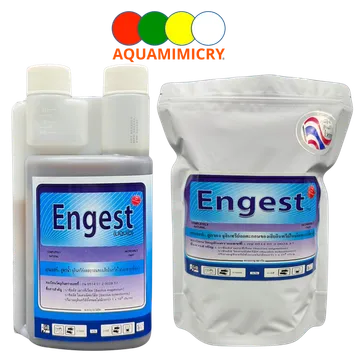
EngestTM
- Starter fermentation of wheat flour (FWF)
- Reduces the running mortality.
- Reduces toxic gas.
- Competitive exclusion against harmful pathogenic bacteria.
- Creates synbiotics (probiotic and prebiotic) in situ.
- Establishes biocolloids in situ for pH balances.
- Enhances the development of zooplankton.