
Agromimicry | Aquamimicry | Livestock | Wastewater | Ornamental Pond | Odor Management


- Home
- About-Us
-
ผลิตภัณท์
-
จุลินทรีย์ปุ๋ยหมัก
- หัวเชื้อจุลินทรีย์ปุ๋ยหมัก
- หัวเชื้อจุลินทรีย์ฟื้นดิน
- หัวเขื้ออาหารจุลินทรีย์ดิน
- หัวเชื้อจุลินทรีย์ทางใบ
- เร่งดอกเพิ่มผลผลิต
- ปุ๋ยหมักคืออะไร
- วิธีทำปุ๋ยหมัก
- ค่าสัดส่วน C/N Ratio
- ปัจจัยสิ่งแวดล้อมในการทำปุ๋ยหมัก
- การประเมิน
- ปัญหาการทำปุ๋ยหมักและแนวทางแก้ไข
- อะไรคืออโกรมิมิครี่
- ทำไมถึงสูญเสียสภาพ
- ทำไมพืชจึงต้องพึงพาชีววิทยาของดิน
- บทบาทของปุ๋ยหมัก-ดิน-พืชและผลผลิต
- อโกรมิมิครี่ช่วยฟื้นฟูวงจรธรรมชาติได้อย่างไร
- จุดเชื่อมโยงที่ขาดหายไปของซากชีวมวลจุลินทรีย์
- จุลฝาสี-จุลินทรีย์เลี้ยงกุ้งปลาอินทรีย์
- จุลินทรีย์สัตว์น้ำ
-
แบ็กซ์เชล
-
จุลินทรีย์
- จุลินทรีย์เลี้ยงกุ้ง1
- จุลินทรีย์เลี้ยงกุ้ง2
- จุลินทรีย์เลี้ยงกุ้ง3
- จุลินทรีย์เลี้ยงกปลา4
- จุลินทรีย์เลี้ยงปลา5
- จุลินทรีย์บำบัดน้ำเสีย1
- จุลินทรีย์บำบัดน้ำเสีย2
- จุลินทรีย์บำบัดน้ำเสีย3
- จุลินทรีย์บำบัดน้ำเสีย4
- จุลินทรีย์บำบัดน้ำเสีย5
- จุลินทรีย์บำบัดน้ำเสีย6
- จุลินทรีย์บำบัดน้ำเสีย7
- จุลินทรีย์บำบัดน้ำเสีย8
- จุลินทรีย์บำบัดน้ำเสีย9
- จุลินทรีย์บำบัดน้ำเสีย10
- จุลินทรีย์ปุ๋ยหมัก1
- จุลินทรีย์ปุ๋ยหมัก2
- จุลินทรีย์ปุ๋ยหมัก3
- จุลินทรีย์ปุ๋ยหมัก4
- จุลินทรีย์ปุ๋ยหมัก5
- จุลินทรีย์ปุ๋ยหมัก6
- จุลินทรีย์บ่อปลาสวยงาม1
- จุลินทรีย์บ่อปลาสวยงาม2
- จุลินทรีย์บ่อปลาสวยงาม3
- จุลินทรีย์บ่อปลาสวยงาม4
- จุลินทรีย์ดับกลิ่น1
- จุลินทรีย์ดับกลิ่น2
- จุลินทรีย์ดับกลิ่น3
-
จุลินทรีย์
- บำบัดน้ำเสีย
- จุลินทรีย์ฟาร์มปศุสัตว์
- เอนไซม์ไบโอก๊าซ
- บ่อปลาสวยงาม
- เอนไซม์ดับกลิ่น
-
จุลินทรีย์ปุ๋ยหมัก
- สินค้าขายดี-แก้ปัญหา
- ข้อมูลทางชีวเทคนิค
- วิจัยเพาะเลี้ยงสัตว์น้ำ
- เรียนรู้
- ศูนย์เรียนรู้
- รับจ้างผลิตจุลินทรีย์
- ราคาผลิตภัณฑ์
- สั่งซื้อจุลินทรีย์คุณภาพสูง
-
Microbial Solutions
- Agromimicry-Agriculture
-
Aquamimicry-Aquaculture
- Aquamimicry-Caps
- Grow-Out
- Broodstock
- Hatchery
- Nursery
- Copefloc
- Problem-Protocols
- Fermentation-Protocol
-
Aquamimicry-Shrimp
- What-is-Aquamimicry
- Global-Shrimp-Farming-Problems
- Aquaculture-Aged-Ponds
- Chain-Dragging
- pH
- Alkalinity
- Synbiotics-for-Aquaculture
- SCP-Single-Cell-Protein
- Autotrophs
- Heterotrophs
- Balances-Heterotrophs-and-Autotrophs
- Pond-Water-Dynamics
- Aquamimicry-RAS
- Aquamimicry-Research-Paper
- EMS
- Memories
- Conference
- Exhibitions
- Aquamimicry-Aquatainments
- Demonstration-Farm
- Aquamimicry-Aquaculture-Alliance
- Protocol
- Trouble-Shooting
- Aquamimicry-Enzymes
-
Probiotics-for-Aquaculture
- Baxel-Tab-Probiotics-Competitive-Exclusion
- Baxel-Tab-Enzymes-Sludge-Digester
- A1-Probiotics-for-Aquaculture
- A2-Probiotics-for-Aquaculture
- Aquasis-Powder-Probiotics-Aquaculture
- Aquasis-Liquid-Probiotics-Aquaculture
- Probiotic-Tablet
- Enzymes-Tablet
- Aquaculture-1
- Aquaculture-2
- Aquaculture-3
- Aquaculture-4
- Aquaculture-5
- Aquaculture-6
- Aquaculture-7
- Aqua Backup
-
Wastewater-Treatment-Microbes
- Septic-Tank-Back-Up-Odor-Problem-Bacteria-Product
- Slow-Running-Kitchen-Drain-Lines-Bacteria-Product
- High-BOD-COD-SS-FOG-Problem-Bacteria-Product
- Bulking-Sludge-Problem-Bacteria-Product
- Hydrocarbon-Oil-Spill-Degrader-Bacteria-Product
- Wastewater-Evaluation-Form
- Wastewater-Treatment-FAQ
- Wastewater-Treatment
- Livestock-Waste-Microbes
- Biogas-Enzymes-Booster
- Koi-Pond-Microbes
- Odor-Removal-Enzymes
- Best Sellers
- Biotechnical
- BioMarket
- Research-Papers
- Aquamimicry-Center
- Private-Label
- Price
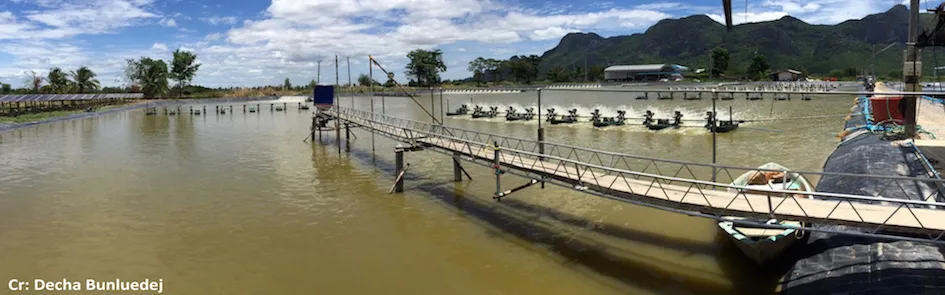
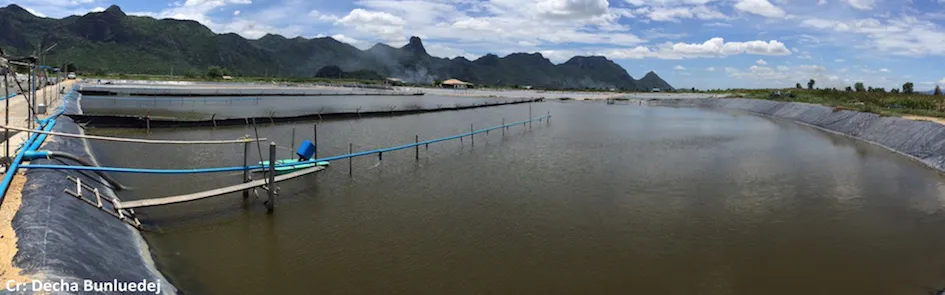
Aquamimicry is the intersection of aquatic biology and technology (synbiotics) mimicking the nature of aquatic ecosystems to create living organisms for the well being development of aquatic animals.
We are accelerating advancement in the field of systems biology be creating copefloc bioengineering for aquaculture by combining microbial activity with natural feed source in a co-ordinated fashion, we create living organisms to rebalance our environment for Green Aquaculture.
Shrimp Farming Environmental Problems
During the past decade of shrimp farming, one of the major aquaculture industry, especially in Asia and South America region and it is projected to be one of the leading aquaculture in the world's future that has a very large domestic and foreign market demand. Shrimp farming environmental problems have been created in all farming locations resulting from the following factors:
- Intensive aquaculture shrimp farming management, a very high stock density within the ponds, up from 300,000 to 2,000,000 pieces of post larvae per hectare (30-200 pieces / sqm) could produce several tons of organic wastes within one crop. When organic wastes accumulated within shrimp ponds environment, much organic wastes materials in their bodies are in the form of organic wastes compounds and those organic wastes can not be utilize by the phytoplankton through photosynthesis. These organic wastes compounds are quite stable, and does not have a tendency to break into simpler utilisable forms. Oxidation of these organic wastes compounds depletes the dissolved oxygen deep in the bottom soils, and formation of toxic metabolites such as hydrogen sulfide, methane, ammonia, and nitrite, thus contributing greatly to the mortality rates.
- Availability of leftover feed and phytoplankton dead cells created the accumulation of undesirable organic wastes and toxic gases dissolved in the pond bottom soils and in most cases, mortality occurs when the bottom is polluted and deteriorated. When this occurs, shrimp ponds soil become acidic, zoothamnium, damages gills (black or brown gills), spotted and broken tails, affected metabolism, incidence of blue shrimp syndrome (due to toxicity), molting process is disrupted (soft shell), and the onset of fouling, white feces, white mussel, ems, ehp, vibiosis and other virus diseases occurs, thereby causing mortality.
- The congested number of shrimp farms located in the same area of non-irrigation causes the easily eradicated disease problems, and became uncontrollable factors. The idea of culturing in a restricted environment and hoping for a good harvest has been one of man's endeavour since early days. However, the ecosystem existent in shrimp farming all over the world experiences the most recurrent problem…is how to get rid of the organic matters and organic wastes that has accumulated during the culture cycle and how to improve the natural water resources before starting the new cycle. These problems have been approached by designing different types of ponds waste drains (toilet) within the ponds system itself, filtration, aerators, air supplies, oxidation ponds, recirculating ponds systems, yet no solution has yet been satisfactory today to correct the aquaculture shrimp farming problem.
- The fast expansion of aquaculture shrimp farming numbers without the awareness of organic matters, reckless uses of toxic chemicals either disinfectant, pesticide, oxidizing agent or antibiotics have its negative impact on the recondition natural resources of water supply and had destroyed the natural decomposing bacteria in ponds and natural benthic invertebrates to an unsuitable levels for aquatic culture.
Aquamimicry, selected natural probiotics bacterial enzymes, designed for use to rejuvenate an old aged pons, decompose organic wastes, undesirable gases in the aquaculture by creates natural. synbiotics effect to prevent pathogenic bacterial diseases. Resulted in reducing mortality, giving the highest survival rate with the fastest growth rate.
Aquamimicry's fully committed the most profitable results in shrimp farming, food safety and completely ecofriendly.