
Agromimicry | Aquamimicry | Livestock | Wastewater | Ornamental Pond | Odor Management



- Home
- About-Us
-
ผลิตภัณท์
-
จุลินทรีย์ปุ๋ยหมัก
- หัวเชื้อจุลินทรีย์ปุ๋ยหมัก
- หัวเชื้อจุลินทรีย์ฟื้นดิน
- หัวเขื้ออาหารจุลินทรีย์ดิน
- หัวเชื้อจุลินทรีย์ทางใบ
- เร่งดอกเพิ่มผลผลิต
- ปุ๋ยหมักคืออะไร
- วิธีทำปุ๋ยหมัก
- ค่าสัดส่วน C/N Ratio
- ปัจจัยสิ่งแวดล้อมในการทำปุ๋ยหมัก
- การประเมิน
- ปัญหาการทำปุ๋ยหมักและแนวทางแก้ไข
- อะไรคืออโกรมิมิครี่
- ทำไมถึงสูญเสียสภาพ
- ทำไมพืชจึงต้องพึงพาชีววิทยาของดิน
- บทบาทของปุ๋ยหมัก-ดิน-พืชและผลผลิต
- อโกรมิมิครี่ช่วยฟื้นฟูวงจรธรรมชาติได้อย่างไร
- จุดเชื่อมโยงที่ขาดหายไปของซากชีวมวลจุลินทรีย์
- จุลฝาสี-จุลินทรีย์เลี้ยงกุ้งปลาอินทรีย์
- จุลินทรีย์สัตว์น้ำ
-
แบ็กซ์เชล
-
จุลินทรีย์
- จุลินทรีย์เลี้ยงกุ้ง1
- จุลินทรีย์เลี้ยงกุ้ง2
- จุลินทรีย์เลี้ยงกุ้ง3
- จุลินทรีย์เลี้ยงกปลา4
- จุลินทรีย์เลี้ยงปลา5
- จุลินทรีย์บำบัดน้ำเสีย1
- จุลินทรีย์บำบัดน้ำเสีย2
- จุลินทรีย์บำบัดน้ำเสีย3
- จุลินทรีย์บำบัดน้ำเสีย4
- จุลินทรีย์บำบัดน้ำเสีย5
- จุลินทรีย์บำบัดน้ำเสีย6
- จุลินทรีย์บำบัดน้ำเสีย7
- จุลินทรีย์บำบัดน้ำเสีย8
- จุลินทรีย์บำบัดน้ำเสีย9
- จุลินทรีย์บำบัดน้ำเสีย10
- จุลินทรีย์ปุ๋ยหมัก1
- จุลินทรีย์ปุ๋ยหมัก2
- จุลินทรีย์ปุ๋ยหมัก3
- จุลินทรีย์ปุ๋ยหมัก4
- จุลินทรีย์ปุ๋ยหมัก5
- จุลินทรีย์ปุ๋ยหมัก6
- จุลินทรีย์บ่อปลาสวยงาม1
- จุลินทรีย์บ่อปลาสวยงาม2
- จุลินทรีย์บ่อปลาสวยงาม3
- จุลินทรีย์บ่อปลาสวยงาม4
- จุลินทรีย์ดับกลิ่น1
- จุลินทรีย์ดับกลิ่น2
- จุลินทรีย์ดับกลิ่น3
-
จุลินทรีย์
- บำบัดน้ำเสีย
- จุลินทรีย์ฟาร์มปศุสัตว์
- เอนไซม์ไบโอก๊าซ
- บ่อปลาสวยงาม
- เอนไซม์ดับกลิ่น
-
จุลินทรีย์ปุ๋ยหมัก
- สินค้าขายดี-แก้ปัญหา
- ข้อมูลทางชีวเทคนิค
- วิจัยเพาะเลี้ยงสัตว์น้ำ
- เรียนรู้
- ศูนย์เรียนรู้
- รับจ้างผลิตจุลินทรีย์
- ราคาผลิตภัณฑ์
- สั่งซื้อจุลินทรีย์คุณภาพสูง
-
Microbial Solutions
- Agromimicry-Agriculture
-
Aquamimicry-Aquaculture
- Aquamimicry-Caps
- Grow-Out
- Broodstock
- Hatchery
- Nursery
- Copefloc
- Problem-Protocols
- Fermentation-Protocol
-
Aquamimicry-Shrimp
- What-is-Aquamimicry
- Global-Shrimp-Farming-Problems
- Aquaculture-Aged-Ponds
- Chain-Dragging
- pH
- Alkalinity
- Synbiotics-for-Aquaculture
- SCP-Single-Cell-Protein
- Autotrophs
- Heterotrophs
- Balances-Heterotrophs-and-Autotrophs
- Pond-Water-Dynamics
- Aquamimicry-RAS
- Aquamimicry-Research-Paper
- EMS
- Memories
- Conference
- Exhibitions
- Aquamimicry-Aquatainments
- Demonstration-Farm
- Aquamimicry-Aquaculture-Alliance
- Protocol
- Trouble-Shooting
- Aquamimicry-Enzymes
-
Probiotics-for-Aquaculture
- Baxel-Tab-Probiotics-Competitive-Exclusion
- Baxel-Tab-Enzymes-Sludge-Digester
- A1-Probiotics-for-Aquaculture
- A2-Probiotics-for-Aquaculture
- Aquasis-Powder-Probiotics-Aquaculture
- Aquasis-Liquid-Probiotics-Aquaculture
- Probiotic-Tablet
- Enzymes-Tablet
- Aquaculture-1
- Aquaculture-2
- Aquaculture-3
- Aquaculture-4
- Aquaculture-5
- Aquaculture-6
- Aquaculture-7
- Aqua Backup
-
Wastewater-Treatment-Microbes
- Septic-Tank-Back-Up-Odor-Problem-Bacteria-Product
- Slow-Running-Kitchen-Drain-Lines-Bacteria-Product
- High-BOD-COD-SS-FOG-Problem-Bacteria-Product
- Bulking-Sludge-Problem-Bacteria-Product
- Hydrocarbon-Oil-Spill-Degrader-Bacteria-Product
- Wastewater-Evaluation-Form
- Wastewater-Treatment-FAQ
- Wastewater-Treatment
- Livestock-Waste-Microbes
- Biogas-Enzymes-Booster
- Koi-Pond-Microbes
- Odor-Removal-Enzymes
- Best Sellers
- Biotechnical
- BioMarket
- Research-Papers
- Aquamimicry-Center
- Private-Label
- Price
Products composed of specially selected and acclimated bacterial strains to degrade waste oils found in water, soil and organic materials.
Bac-ZymeTM HC
MSDS P | MSDS L
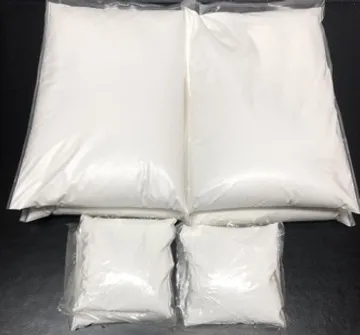
TREATMENT OF OIL SPILL WASTE AROMATIC AND LIGHT ALIPHATICS HYDROCARBONS
Bac-ZymeTM HC is a product composed of specially selected and acclimated bacterial strains that are designed to help degrade an assortment of compounds often found in the discharge waters of refineries, petrochemical plants, and pesticide manufacturers. Many aliphatic and aromatic chemical compounds found in these discharge waters are included in a “priority pollutant”. These toxic compounds add a new dimension to the problems encountered with conventional biological waste treatment. Because of the toxicity of the wastes, longer acclimation periods are often necessary for suitable efficiency levels to be reached by biological wastewater treatment plants. Sudden influx of certain of these compounds may result in a toxic shock loading of the biological system, reduction in active biomass, and less efficient treatment of the wastewater stream.
Many chemical manufacturing plants operate various processes on alternating times and schedules. This type of scheduling results in intermittent and non-uniform introduction of different types of compounds into a waste treatment system and can result in poor acclimation levels of the biological microflora. Because of the non continuous nature of the flow and the types of chemicals entering the system, the indigenous microflora have a difficult time adapting to the changing nature of the carbonaceous waste. Bac-ZymeTM HC can help by supplementing natural microflora with biomass that is pre-acclimated and adapted to biooxidation of toxic, resistant and other recalcitrant carbonaceous compounds resulting in greater treatment reliability and removal efficiency.
The targeted wastes for this product are generally in the aromatic (cyclic) hydrocarbons and low to moderate molecular weight alkane categories. Included in these types of compounds would be phenol and biphenols (including nitrated and halogenated compounds), benzene, toluene, xylenols, light machine oils, lubricating oils, octane and gasoline, and some linear alcohols.
No products have been shown to be more resistant to heavy metal content than the Bac-ZymeTM HC which can grow on petrochemical compounds, and their concurrent degradation goes on even when 100 mg/l (and sometimes more) cadmium, arsenic, copper, iron, lead, tin, zinc, cobalt, selenium, and silver are present.
Oftentimes, wastewater or soils in the areas of spills or routine hydrocarbon contamination must be supplemented with nitrogen, potassium, and phosphorus to allow the complete breakdown of the hydrocarbon.
Bac-ZymeTM HC can be the answer to sluggish removal of recalcitrant aromatic and light aliphatic hydrocarbons from waste treatment streams and spills areas.
Product specifications:
Total bacillus count : Min. 5.0 x 10⁹ cfu/g | ml
Recommended Application Rate:
For oil spill remediation and petroleum hydrocarbon contamination treatment, the recommended dosage is 100-200 ppm of Bac-Zyme HC depending on the severity of oil contamination and environmental conditions.
For optimal biodegradation performance, nutrient supplements with nitrogen (N), phosphorus (P), and potassium (K) may be recommended to enhance microbial activity and accelerate hydrocarbon degradation.
To further enhance hydrocarbon biodegradation, the use of biodegradable surfactants or biosurfactants may be recommended to improve the dispersion and bioavailability of hydrophobic oil contaminants. This allows microbial cells to access and degrade hydrocarbons more efficiently.
For environmental applications, alkly polyglucoside (APG)-based surfactants or biosurfactants such as rhamnolipids or sophowrolipids are often preferred die to their excellent biodegradability and environmentally friendly profile. These surfactants help reduce surface and interfacial tension, enhance emulsification of hydrocarbons, and increase the availability of oil contaminants for microbial degradation, thereby improving the efficiency of bioremediation processes in petroleum-contaminanted environments.
DIRECTION FOR USE:
Since every waste treatment situations is generally unique, call or contact you local distributor or technical support representative for recommendations and application rate for your particular waste treatment or spill application:
Operational Requirements and Recommended Conditions
For optimal biological treatment performance, the following operating parameters are recommended:
BOD concentration: 250 – 500 mg/L
COD:BOD ratio: approximately 2.5 : 1
C:N:P ratio: approximately 100 : 10 : 1 to support balanced microbial growth
C:N ratio: 10 : 1 – 20 : 1 depending on organic loading conditions
Dissolved Oxygen (D.O): minimum 2 ppm to maintain aerobic microbial activity
Optimal pH range: 6.5 – 7.5
Optimal temperature range: 15°C – 45°C
Maximum water depth: 3 meters
Bioremediation is widely used to treat pollution caused by:
- Oil tanker spills
- Ocean Clean up
- Beach Clean up
- Pipeline ruptures
- Offshore drilling accidents
- Petrochemical industry discharge
- Petroleum storage leaks
INDUSTRY:
- Crude oil spill cleanup
- Petroleum refinery wastewater treatment
- Petrochemical plant contamination control
- Oil storage terminal remediation
- Pipeline leak cleanup
- Offshore oil spill response
- Petroleum-contaminated soil restoration