
Agromimicry | Aquamimicry | Livestock | Wastewater | Ornamental Pond | Odor Management



- Home
- About-Us
-
ผลิตภัณท์
-
จุลินทรีย์ปุ๋ยหมัก
- หัวเชื้อจุลินทรีย์ปุ๋ยหมัก
- หัวเชื้อจุลินทรีย์ฟื้นดิน
- หัวเขื้ออาหารจุลินทรีย์ดิน
- หัวเชื้อจุลินทรีย์ทางใบ
- เร่งดอกเพิ่มผลผลิต
- ปุ๋ยหมักคืออะไร
- วิธีทำปุ๋ยหมัก
- ค่าสัดส่วน C/N Ratio
- ปัจจัยสิ่งแวดล้อมในการทำปุ๋ยหมัก
- การประเมิน
- ปัญหาการทำปุ๋ยหมักและแนวทางแก้ไข
- อะไรคืออโกรมิมิครี่
- ทำไมถึงสูญเสียสภาพ
- ทำไมพืชจึงต้องพึงพาชีววิทยาของดิน
- บทบาทของปุ๋ยหมัก-ดิน-พืชและผลผลิต
- อโกรมิมิครี่ช่วยฟื้นฟูวงจรธรรมชาติได้อย่างไร
- จุดเชื่อมโยงที่ขาดหายไปของซากชีวมวลจุลินทรีย์
- จุลฝาสี-จุลินทรีย์เลี้ยงกุ้งปลาอินทรีย์
- จุลินทรีย์สัตว์น้ำ
-
แบ็กซ์เชล
-
จุลินทรีย์
- จุลินทรีย์เลี้ยงกุ้ง1
- จุลินทรีย์เลี้ยงกุ้ง2
- จุลินทรีย์เลี้ยงกุ้ง3
- จุลินทรีย์เลี้ยงกปลา4
- จุลินทรีย์เลี้ยงปลา5
- จุลินทรีย์บำบัดน้ำเสีย1
- จุลินทรีย์บำบัดน้ำเสีย2
- จุลินทรีย์บำบัดน้ำเสีย3
- จุลินทรีย์บำบัดน้ำเสีย4
- จุลินทรีย์บำบัดน้ำเสีย5
- จุลินทรีย์บำบัดน้ำเสีย6
- จุลินทรีย์บำบัดน้ำเสีย7
- จุลินทรีย์บำบัดน้ำเสีย8
- จุลินทรีย์บำบัดน้ำเสีย9
- จุลินทรีย์บำบัดน้ำเสีย10
- จุลินทรีย์ปุ๋ยหมัก1
- จุลินทรีย์ปุ๋ยหมัก2
- จุลินทรีย์ปุ๋ยหมัก3
- จุลินทรีย์ปุ๋ยหมัก4
- จุลินทรีย์ปุ๋ยหมัก5
- จุลินทรีย์ปุ๋ยหมัก6
- จุลินทรีย์บ่อปลาสวยงาม1
- จุลินทรีย์บ่อปลาสวยงาม2
- จุลินทรีย์บ่อปลาสวยงาม3
- จุลินทรีย์บ่อปลาสวยงาม4
- จุลินทรีย์ดับกลิ่น1
- จุลินทรีย์ดับกลิ่น2
- จุลินทรีย์ดับกลิ่น3
-
จุลินทรีย์
- บำบัดน้ำเสีย
- จุลินทรีย์ฟาร์มปศุสัตว์
- เอนไซม์ไบโอก๊าซ
- บ่อปลาสวยงาม
- เอนไซม์ดับกลิ่น
-
จุลินทรีย์ปุ๋ยหมัก
- สินค้าขายดี-แก้ปัญหา
- ข้อมูลทางชีวเทคนิค
- วิจัยเพาะเลี้ยงสัตว์น้ำ
- เรียนรู้
- ศูนย์เรียนรู้
- รับจ้างผลิตจุลินทรีย์
- ราคาผลิตภัณฑ์
- สั่งซื้อจุลินทรีย์คุณภาพสูง
-
Microbial Solutions
- Agromimicry-Agriculture
-
Aquamimicry-Aquaculture
- Aquamimicry-Caps
- Grow-Out
- Broodstock
- Hatchery
- Nursery
- Copefloc
- Problem-Protocols
- Fermentation-Protocol
-
Aquamimicry-Shrimp
- What-is-Aquamimicry
- Global-Shrimp-Farming-Problems
- Aquaculture-Aged-Ponds
- Chain-Dragging
- pH
- Alkalinity
- Synbiotics-for-Aquaculture
- SCP-Single-Cell-Protein
- Autotrophs
- Heterotrophs
- Balances-Heterotrophs-and-Autotrophs
- Pond-Water-Dynamics
- Aquamimicry-RAS
- Aquamimicry-Research-Paper
- EMS
- Memories
- Conference
- Exhibitions
- Aquamimicry-Aquatainments
- Demonstration-Farm
- Aquamimicry-Aquaculture-Alliance
- Protocol
- Trouble-Shooting
- Aquamimicry-Enzymes
-
Probiotics-for-Aquaculture
- Baxel-Tab-Probiotics-Competitive-Exclusion
- Baxel-Tab-Enzymes-Sludge-Digester
- A1-Probiotics-for-Aquaculture
- A2-Probiotics-for-Aquaculture
- Aquasis-Powder-Probiotics-Aquaculture
- Aquasis-Liquid-Probiotics-Aquaculture
- Probiotic-Tablet
- Enzymes-Tablet
- Aquaculture-1
- Aquaculture-2
- Aquaculture-3
- Aquaculture-4
- Aquaculture-5
- Aquaculture-6
- Aquaculture-7
- Aqua Backup
-
Wastewater-Treatment-Microbes
- Septic-Tank-Back-Up-Odor-Problem-Bacteria-Product
- Slow-Running-Kitchen-Drain-Lines-Bacteria-Product
- High-BOD-COD-SS-FOG-Problem-Bacteria-Product
- Bulking-Sludge-Problem-Bacteria-Product
- Hydrocarbon-Oil-Spill-Degrader-Bacteria-Product
- Wastewater-Evaluation-Form
- Wastewater-Treatment-FAQ
- Wastewater-Treatment
- Livestock-Waste-Microbes
- Biogas-Enzymes-Booster
- Koi-Pond-Microbes
- Odor-Removal-Enzymes
- Best Sellers
- Biotechnical
- BioMarket
- Research-Papers
- Aquamimicry-Center
- Private-Label
- Price
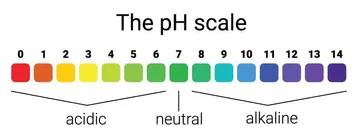
pH fluctuations in aquaculture can significantly impact the health and survival of aquatic organisms, leading to increased mortality if not properly managed. The pH of water is a measure of its acidity or alkalinity and plays a crucial role in the biological and chemical processes in aquatic environments.
Causes of pH Fluctuations in Aquaculture
1. Photosynthesis and Respiration:
- During daylight, photosynthesis by aquatic plants and algae consumes carbon dioxide, which can cause pH levels to rise. Conversely, at night, respiration by these organisms and the aquatic animals increases carbon dioxide levels, lowering the pH.
2. Decomposition of Organic Matter:
- The breakdown of organic materials such as uneaten feed, feces, and plant debris produces carbon dioxide, ammonia, and other organic acids, which can lower the pH.
3. Alkalinity and Acid Buffering:
- The ability of the water to buffer pH changes, known as alkalinity, is crucial. Low alkalinity can make water susceptible to rapid pH changes.
4. Chemical Additions:
- The use of chemicals for treating diseases, managing algae, or adjusting water quality can alter pH levels.
5. Exchange with Atmospheric CO2:
- Changes in the concentration of carbon dioxide in the atmosphere or water can affect pH.
6. Rainfall and Water Source Changes:
- Rainwater can be acidic or alkaline, influencing the pH of the water body. Also, changes in the source of water supply can alter the pH.
Impacts of pH Fluctuations
1. Direct Toxicity:
- Extreme pH levels can be directly toxic to fish and other aquatic life. Most aquatic organisms prefer a pH range of 6.5 to 9.0, and deviations from this range can cause stress, impaired immune function, and death.
2. Ammonia Toxicity:
- pH fluctuations influence the toxicity of ammonia, which is excreted naturally by fish. At higher pH levels, ammonia exists predominantly in the more toxic unionized form, which can be lethal.
3. Metabolic and Physiological Stress:
- Shrimp and other aquatic animals require stable pH levels for normal metabolic and physiological functions. Fluctuations can disrupt these processes, leading to stress, reduced growth rates, and increased susceptibility to diseases.
Management Strategies
Regular Monitoring:
- Frequent checking of pH levels helps in detecting and addressing fluctuations early.
Buffering Agents:
- Using carbonates or bicarbonates can help stabilize pH by increasing alkalinity.
Controlled Aeration:
- Proper aeration can help manage CO2 levels, indirectly controlling pH.
Optimizing Stocking Densities:
- Reducing the biomass load can decrease the production of metabolic wastes that affect pH.
Management of Organic Load:
- Regular cleaning to remove detritus and uneaten feed can prevent organic decomposition that lowers pH.
Appy Aquammicry pH Balnces Protocol www.baxelcompany.com
In conclusion, managing pH levels is critical for maintaining the health and productivity of aquaculture operations. Effective strategies to monitor and control pH can significantly reduce mortality and improve overall system resilience.