
Agromimicry | Aquamimicry | Livestock | Wastewater | Ornamental Pond | Odor Management


- Home
- About-Us
-
ผลิตภัณท์
-
จุลินทรีย์ปุ๋ยหมัก
- หัวเชื้อจุลินทรีย์ปุ๋ยหมัก
- หัวเชื้อจุลินทรีย์ฟื้นดิน
- หัวเขื้ออาหารจุลินทรีย์ดิน
- หัวเชื้อจุลินทรีย์ทางใบ
- เร่งดอกเพิ่มผลผลิต
- ปุ๋ยหมักคืออะไร
- วิธีทำปุ๋ยหมัก
- ค่าสัดส่วน C/N Ratio
- ปัจจัยสิ่งแวดล้อมในการทำปุ๋ยหมัก
- การประเมิน
- ปัญหาการทำปุ๋ยหมักและแนวทางแก้ไข
- อะไรคืออโกรมิมิครี่
- ทำไมถึงสูญเสียสภาพ
- ทำไมพืชจึงต้องพึงพาชีววิทยาของดิน
- บทบาทของปุ๋ยหมัก-ดิน-พืชและผลผลิต
- อโกรมิมิครี่ช่วยฟื้นฟูวงจรธรรมชาติได้อย่างไร
- จุดเชื่อมโยงที่ขาดหายไปของซากชีวมวลจุลินทรีย์
- จุลฝาสี-จุลินทรีย์เลี้ยงกุ้งปลาอินทรีย์
- จุลินทรีย์สัตว์น้ำ
-
แบ็กซ์เชล
-
จุลินทรีย์
- จุลินทรีย์เลี้ยงกุ้ง1
- จุลินทรีย์เลี้ยงกุ้ง2
- จุลินทรีย์เลี้ยงกุ้ง3
- จุลินทรีย์เลี้ยงกปลา4
- จุลินทรีย์เลี้ยงปลา5
- จุลินทรีย์บำบัดน้ำเสีย1
- จุลินทรีย์บำบัดน้ำเสีย2
- จุลินทรีย์บำบัดน้ำเสีย3
- จุลินทรีย์บำบัดน้ำเสีย4
- จุลินทรีย์บำบัดน้ำเสีย5
- จุลินทรีย์บำบัดน้ำเสีย6
- จุลินทรีย์บำบัดน้ำเสีย7
- จุลินทรีย์บำบัดน้ำเสีย8
- จุลินทรีย์บำบัดน้ำเสีย9
- จุลินทรีย์บำบัดน้ำเสีย10
- จุลินทรีย์ปุ๋ยหมัก1
- จุลินทรีย์ปุ๋ยหมัก2
- จุลินทรีย์ปุ๋ยหมัก3
- จุลินทรีย์ปุ๋ยหมัก4
- จุลินทรีย์ปุ๋ยหมัก5
- จุลินทรีย์ปุ๋ยหมัก6
- จุลินทรีย์บ่อปลาสวยงาม1
- จุลินทรีย์บ่อปลาสวยงาม2
- จุลินทรีย์บ่อปลาสวยงาม3
- จุลินทรีย์บ่อปลาสวยงาม4
- จุลินทรีย์ดับกลิ่น1
- จุลินทรีย์ดับกลิ่น2
- จุลินทรีย์ดับกลิ่น3
-
จุลินทรีย์
- บำบัดน้ำเสีย
- จุลินทรีย์ฟาร์มปศุสัตว์
- เอนไซม์ไบโอก๊าซ
- บ่อปลาสวยงาม
- เอนไซม์ดับกลิ่น
-
จุลินทรีย์ปุ๋ยหมัก
- สินค้าขายดี-แก้ปัญหา
- ข้อมูลทางชีวเทคนิค
- วิจัยเพาะเลี้ยงสัตว์น้ำ
- เรียนรู้
- ศูนย์เรียนรู้
- รับจ้างผลิตจุลินทรีย์
- ราคาผลิตภัณฑ์
- สั่งซื้อจุลินทรีย์คุณภาพสูง
-
Microbial Solutions
- Agromimicry-Agriculture
-
Aquamimicry-Aquaculture
- Aquamimicry-Caps
- Grow-Out
- Broodstock
- Hatchery
- Nursery
- Copefloc
- Problem-Protocols
- Fermentation-Protocol
-
Aquamimicry-Shrimp
- What-is-Aquamimicry
- Global-Shrimp-Farming-Problems
- Aquaculture-Aged-Ponds
- Chain-Dragging
- pH
- Alkalinity
- Synbiotics-for-Aquaculture
- SCP-Single-Cell-Protein
- Autotrophs
- Heterotrophs
- Balances-Heterotrophs-and-Autotrophs
- Pond-Water-Dynamics
- Aquamimicry-RAS
- Aquamimicry-Research-Paper
- EMS
- Memories
- Conference
- Exhibitions
- Aquamimicry-Aquatainments
- Demonstration-Farm
- Aquamimicry-Aquaculture-Alliance
- Protocol
- Trouble-Shooting
- Aquamimicry-Enzymes
-
Probiotics-for-Aquaculture
- Baxel-Tab-Probiotics-Competitive-Exclusion
- Baxel-Tab-Enzymes-Sludge-Digester
- A1-Probiotics-for-Aquaculture
- A2-Probiotics-for-Aquaculture
- Aquasis-Powder-Probiotics-Aquaculture
- Aquasis-Liquid-Probiotics-Aquaculture
- Probiotic-Tablet
- Enzymes-Tablet
- Aquaculture-1
- Aquaculture-2
- Aquaculture-3
- Aquaculture-4
- Aquaculture-5
- Aquaculture-6
- Aquaculture-7
- Aqua Backup
-
Wastewater-Treatment-Microbes
- Septic-Tank-Back-Up-Odor-Problem-Bacteria-Product
- Slow-Running-Kitchen-Drain-Lines-Bacteria-Product
- High-BOD-COD-SS-FOG-Problem-Bacteria-Product
- Bulking-Sludge-Problem-Bacteria-Product
- Hydrocarbon-Oil-Spill-Degrader-Bacteria-Product
- Wastewater-Evaluation-Form
- Wastewater-Treatment-FAQ
- Wastewater-Treatment
- Livestock-Waste-Microbes
- Biogas-Enzymes-Booster
- Koi-Pond-Microbes
- Odor-Removal-Enzymes
- Best Sellers
- Biotechnical
- BioMarket
- Research-Papers
- Aquamimicry-Center
- Private-Label
- Price
Animal Wastes:
The constituents of animal wastewater typically contain
- Strong organic content — much stronger than human sewage
- High solids concentration
- High nitrate and phosphorus contents.
- Human pathogenic bacteria such as salmonella.
Animal wastes can be produced as solid or semisolid manure or as a liquid slurry.
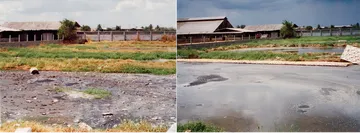
Animal Wastes
Farms with large livestock and poultry operations, such as factory farms, can be a major source of wastewater pollutions. These facilities are called concentrated animal feeding operations or confined animal feeding operations and are being subject to increasing government regulations.
Treatment
Whilst solid manure heaps outdoors can give rise to polluting wastewaters from runoff, this type of waste is usually relatively easy to treat by containment and/or covering of the heap.
Animal slurries require special handling and are usually treated by containment in lagoons before disposal by spray or trickle application to grassland. Constructed wetlands are sometimes used to facilitate treatment of animal wastes, as are anaerobic lagoons. Excessive application or application to sodden land or insufficient land area can result in direct runoff to watercourses, with the potential for causing severe pollution. Application of slurries to land overlying aquifers can result in direct contamination or, more commonly, elevation of nitrogen levels as nitrite or nitrate.
The disposal of any wastewater containing animal waste upstream of a drinking water intake can pose serious health problems to those drinking the water because of the highly resistant spores present in many animals that are capable of causing disabling disease in humans. This risk exists even for very low-level seepage via shallow surface drains or from rainfall run-off.
Some animal slurries are treated by mixing with straws and composted at high temperature to produce a bacteriologically sterile and friable manure for soil improvement.